• Home
  • Suggest A DIY
  • DIY Newsletter

Quilting

Patterns, patchworks and projects

  • About CraftGossip
  • Our Network
    • Bath & Body Crafts
    • Candle Making Ideas
    • Crochet Ideas
    • Cross Stitch
    • Edible Crafts
    • Felting Patterns
    • Glass Art
    • Home & Garden Ideas
    • Indie Crafts
    • Jewelry Making
    • Kids Crafts
    • Knitting Patterns
    • Lesson Plans
    • Needlework
    • Party Ideas
    • Polymer Clay
    • Quilting Ideas
    • Recycled Crafts
    • Scrapbooking
    • Sewing Patterns
    • Card Making
    • DIY Weddings
    • Not Craft Ideas
  • Giveaways
  • Roundups
  • Store
  • Search

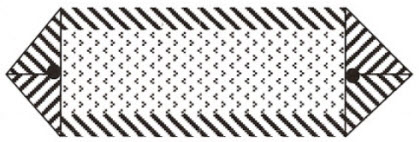
Free pattern: 10 Minute Table Runner

November 21, 2011 by Scarlett Burroughs

Marge at Delaware Quilts planned to sew today, but got distracted doing laundry. She wondered if she might be able to whip out some 10 minute table runners. Visit her blog and follow her link to get the pattern. Designed by LaRae Bunnell Clark. Quilters, this would be a good way to use up orphan blocks.

Here is the direct link to the PDF pattern.

Image credit: Sweet Home Quilt Co

Ed. note 11/20/2012: The link Marge first sent everyone to will no longer take you to the free pattern, Sweet Home Quilt Co took it down. You can get the new link in the comments below where I responded to Beck. Marge of Delaware Quilts has graciously shared the pattern on her blog here. Incidentally, she does gives the author full credit for her work. I’ve also updated the link in the body of this post.

«
»

Comments

  1. Jan Kilian says

    March 14, 2012 at 6:27 am

    Nice pattern and I was interested in getting the free pattern as you showed. I cannot seem to locate it on this site ?

    JK

  2. Scarlett says

    March 14, 2012 at 6:36 am

    Hi Jan! I was able to get the pattern after I clicked Ten Minute Table Runners in the text of her post. It’s kind of confusing, I agree. So here’s the direct link:
    http://www.sweethomequiltco.com/userfiles/file/10-minute%20table%20runner.pdf

    Enjoy,
    Scarlett B

  3. Joanne Dixon says

    July 21, 2012 at 5:43 pm

    Is it just me but I see no sizes to cut the pieces. What am I missing. Just says

  4. Scarlett says

    July 21, 2012 at 8:39 pm

    Hi Joanne,
    From what I can tell, she says you need to cut two pieces. The first is either 10″ or 12″ inches x 45″ or whatever the width of fabric (WOF). This piece will be your theme or focal fabric.
    The second is 18″ x 45″ or WOF.

    Let me know if this helps.
    –Scarlett

  5. Diana says

    August 6, 2012 at 1:13 am

    I seem to get lost at number 6,7, of instructions. Is the fabric right side out or is fabric right side in.

  6. Beck Routon says

    November 19, 2012 at 9:38 am

    Please email me the 10 table runner pattern. Thanks

  7. kris nelson says

    November 20, 2012 at 12:20 pm

    please send me the 10 minute table runner pattern…

  8. Scarlett says

    November 20, 2012 at 1:54 pm

    Hi Beck,
    I followed the link I had used earlier with success, but the PDF is no longer available.

    I went back to Marge’s blog and she has graciously shared the PDF with her readers. Click on this link and follow her instructions.

    http://delawarequilts.blogspot.com/p/ten-minute-table-runner.html

    Warmly,
    Scarlett B

  9. Carolyn Lewis says

    December 15, 2015 at 10:10 am

    this looks this looks easy I’d really like to try to make one. Hoping you’ll send me the link to it.

  10. Scarlett Burroughs says

    December 15, 2015 at 10:36 am

    This is a link from the generous blogger, she found it had been published by Delaware Quilts.
    http://delawarequilts.com/10-minuteTableRunner.pdf

  11. John Yuskis says

    September 21, 2016 at 3:51 pm

    How wide is the fabric?

Have you read?

How to Make String Quilt Blocks (Turn Fabric Scraps Into a Beautiful String Quilt)

If you’ve got a basket of long skinny fabric scraps and no idea what to do with them, string quilt blocks are your answer.

String quilting is one of the easiest and most forgiving scrap quilt techniques. It uses narrow strips of fabric sewn onto a foundation to create bold, colorful blocks that look far more complicated than they actually are.

In this step-by-step guide, you’ll learn exactly how to make string quilt blocks, what size scraps work best, how to keep them balanced, and how to turn them into a finished quilt.

What Is a String Quilt Block?

A string quilt block is made by sewing fabric strips (or “strings”) onto a foundation piece of fabric or paper.

The strips are usually:

  • 1″–2½” wide
    • Different lengths
    • Mixed prints and colors

The result is a layered, textured block with diagonal or straight-line movement.

String quilts are ideal for:

  • Scrap bins
    • Leftover binding strips
    • Jelly roll leftovers
    • Long skinny offcuts

They are one of the most waste-efficient quilt styles.

Why String Quilts Are Perfect for Scrap Fabric

String quilts are forgiving because:

  • Strip width doesn’t have to be identical
    • Seams don’t need to align
    • Color placement can be random
    • Slight inconsistencies add charm

This makes string quilting perfect for beginners who want to build confidence without worrying about perfect matching seams.

What Size Scraps Work Best for String Quilt Blocks?

Here’s what works beautifully:

Best strip width:
1½” to 2½”

Minimum length:
At least 6″–8″

If your strips are shorter, sew them together first to create longer “strings.”

If you only have very tiny scraps, crumb quilting may be a better option.

Supplies You’ll Need

  • Assorted fabric strips
    • Foundation fabric (muslin or lightweight cotton)
    • Rotary cutter & ruler
    • Sewing machine
    • ¼” seam allowance

Optional:
• Add a center accent strip for visual structure

Step-by-Step: How to Make String Quilt Blocks

Step 1: Cut Your Foundation

Cut foundation squares slightly larger than your finished block size.

Example:
For a 10″ finished block, cut foundation pieces 11″.

You’ll trim them down later.

Step 2: Place Your First Strip

Lay your first strip right side up, diagonally across the foundation.

This will anchor the block.

Some quilters like to use a consistent center strip for cohesion.

Step 3: Add the Second Strip

Place a second strip right sides together on top of the first strip.

Sew with a ¼” seam.

Flip open and press.

Step 4: Continue Adding Strips

Keep adding strips to one side until you reach the edge of the foundation.

Then flip the block and fill the opposite side.

Press regularly to prevent bulk.

Step 5: Trim the Block

Once the foundation is fully covered:

Flip block foundation side up.
Trim to your exact unfinished size.

If your finished block is 10″, trim to 10½”.

This squaring step is important.

Popular String Quilt Layout Ideas

String quilt blocks are surprisingly versatile.

Try:

  • All diagonal strips same direction
    • Alternate block rotation
    • Chevron layout
    • Controlled color gradient
    • Neutral center strip
    • Red center “spine” for classic look

Rotating blocks creates secondary patterns automatically.

How Many String Quilt Blocks Do You Need?

For 10″ finished blocks:

Baby Quilt (40″ x 50″) – 20 blocks
Lap Quilt (50″ x 60″) – 30 blocks
Throw Quilt (60″ x 70″) – 42 blocks
Twin Quilt (70″ x 90″) – 63 blocks

Adjust based on sashing and borders.


How to Keep String Quilts From Looking Chaotic

Scrap quilts need balance.

Use one or more of these tricks:

  • Repeat one neutral strip in every block
    • Keep background color consistent
    • Limit to 2–3 dominant color families
    • Alternate light and dark blocks
    • Add sashing

Structure keeps string quilts from feeling messy.

Beginner Mistakes to Avoid

  • Using strips that are too narrow (creates bulk)
    • Not pressing seams
    • Skipping trimming step
    • Mixing drastically different fabric weights
    • Forgetting seam allowance when trimming

Foundation fabric prevents stretching — don’t skip it.

Paper vs Fabric Foundation for String Quilts

Fabric foundation:
• Stays in quilt
• Adds stability
• Faster

Paper foundation:
• Removed after sewing
• Lighter finished quilt
• Slightly more work

Most beginners prefer fabric foundation.

Why String Quilts Are So Addictive

They’re repetitive in a relaxing way.

You can:

  • Sew without overthinking
    • Use scraps guilt-free
    • Chain piece easily
    • See fast progress

And somehow, those random strips always look intentional once trimmed into a square.

Making String Quilt Blocks

If your scrap basket is overflowing with strips, a string quilt block is one of the smartest ways to use them.

It’s forgiving.
It’s flexible.
And it turns leftover fabric into something bold and cohesive.

You don’t need perfectly matched prints.
You just need a consistent block size and a little trimming discipline.

The rest is just stitching.


Categories

Christmas quilts Craft Competitions Craft News and Events Free Quilt Patterns Modern More Quilting Patterns & Projects Quilting Art Quilts Quilting Blocks Quilting Books Quilting Contest Quilting Events Quilting Fabric Quilting Gift Ideas Quilting How To & Tutorials Quilting Inspiration Quilting Products Quilting Technique Scrap Fabric Tutorials and Patterns

RSS feed: More Articles More Articles

  • Fine Motor Task Cards for Kids
  • How to Make a Light Up Halloween Card
  • Designer Spotlight: Cross Stitch with Art
  • Free Foliage Embroidery Pattern Review
  • Easy Knit Baskets to Use All Your Stash
  • How to Make a Simple Fall Accordion Mini Album
  • Pumpkin Spice Hand Balm for Dry, Overwashed Hands
  • Learning about Ghana for Kids
  • Thrifted Quilt Ghost Decorations for Halloween
  • Garage Door Halloween Decorations

Copyright © 2026 · CraftGossip | Start Here | Contact Us | Link to Us | Your Editors | Privacy and affiliate policy