• Home
  • Suggest A DIY
  • DIY Newsletter

Quilting

Patterns, patchworks and projects

  • About CraftGossip
  • Our Network
    • Bath & Body Crafts
    • Candle Making Ideas
    • Crochet Ideas
    • Cross Stitch
    • Edible Crafts
    • Felting Patterns
    • Glass Art
    • Home & Garden Ideas
    • Indie Crafts
    • Jewelry Making
    • Kids Crafts
    • Knitting Patterns
    • Lesson Plans
    • Needlework
    • Party Ideas
    • Polymer Clay
    • Quilting Ideas
    • Recycled Crafts
    • Scrapbooking
    • Sewing Patterns
    • Card Making
    • DIY Weddings
    • Not Craft Ideas
  • Giveaways
  • Roundups
  • Store
  • Search

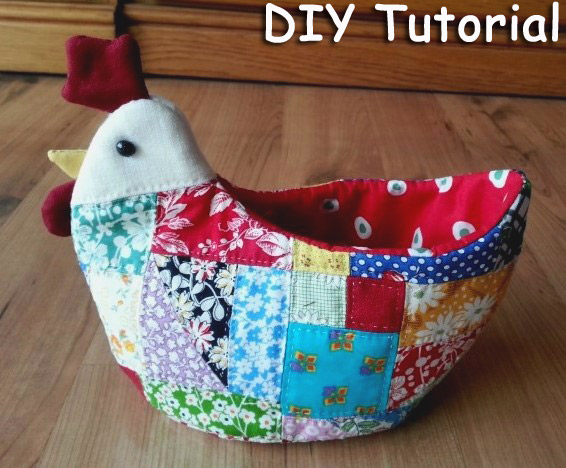
How to Make a Patchwork Chicken Bowl

November 1, 2021 by Claudia Porter

Doesn’t everyone need one of these adorable patchwork chicken bowls?  You can make your own with the tutorial from DIY Tutorial Ideas.

While the tutorial does not have any written instructions, it does have extremely detailed step-by-step photos to help you out.

You will need plenty of fabric scraps (something I know every quilter has) and some basic sewing skills. You will need to do a bit of figuring out for the measurements because there is no text, but it is a fairly straightforward project and if you can ad lib a bit, you should not have too many problems.

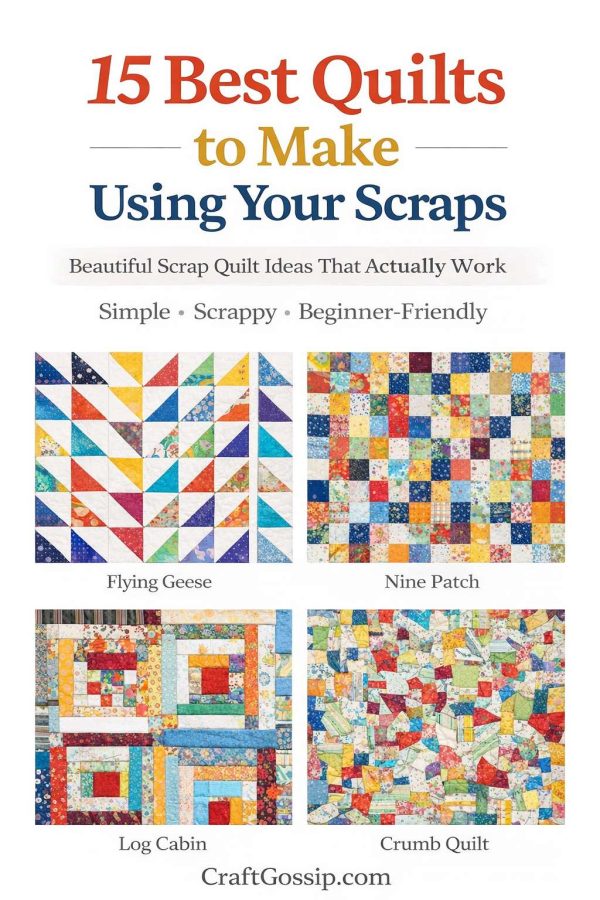
Before we get to the tutorial, here are some other uses of fabric scraps. Fabric scraps may seem like useless scraps of material, but in fact, they can be used in a variety of ways:

  1. Create patchwork quilts – If you have a collection of fabric scraps, you can use them to create beautiful patchwork quilts or smaller patchwork projects.
  2. Make rag rugs – Cut fabric scraps into strips and use them to create colorful and unique rag rugs.
  3. Create accessories – Use fabric scraps to create accessories such as hair bows, headbands, and scrunchies.
  4. Make stuffed animals or toys – Use fabric scraps to make cute stuffed animals, dolls, or other toys for kids.
  5. Use as cleaning cloths – Cut fabric scraps into squares and use them as reusable cleaning cloths or dust rags.
  6. Create patchwork clothing – Use fabric scraps to create unique and colorful patches on jackets, jeans, or other clothing items.

Now that we have seen some other ways of using up fabric scraps let’s see how we can make chicken bowls from them!

Click here for this tutorial: Patchwork Chicken Bowls

[photo from DIY Tutorial Ideas]
«
»

Comments

  1. Roberta says

    August 11, 2022 at 5:24 pm

    Are the templates and instructions for the chicken bowl available in English?

Have you read?

Hand Sewing: A Journey to Unplug, Slow Down and Learn Something Old – A Quilter’s Honest Look Inside the Book

I’ll be completely honest before we even start.

Hand sewing has never been my strong point. In fact, I have almost zero patience for hand quilting. I love the look of it, I admire the tradition of it, but sitting still long enough to stitch an entire quilt by hand has always felt like a test of endurance for me.

That’s exactly why I was curious when I started flipping through Hand Sewing: A Journey to Unplug, Slow Down & Learn Something Old. The title alone suggests something a lot of us probably need more of these days — a chance to slow down and reconnect with the craft itself.

After browsing through the book, it feels less like a strict instructional manual and more like an invitation to rethink how we approach sewing.

First Impressions While Flipping Through the Pages

One of the first things I noticed while browsing through the book is how calm and thoughtful the layout feels. The photography, the pacing of the instructions, and the tone of the content all lean toward the idea that sewing by hand is meant to be a slower, more intentional experience.

Instead of rushing through projects, the book encourages you to treat stitching as a quiet process.

And honestly, that might be exactly what makes it appealing.

Even for someone like me who usually gravitates toward a sewing machine and quick finishes, the book made me pause and consider the idea that hand sewing might actually be a way to slow my mind down a bit.

What This Book Focuses On

The book explores traditional hand-sewing techniques and projects that are designed to help you reconnect with slower sewing methods.

Rather than focusing only on large quilts, it introduces smaller projects and techniques that build confidence with hand stitching.

As I browsed through the pages, the emphasis seemed to be on:

  • Traditional hand stitching techniques

  • Mindful sewing and slowing down the creative process

  • Simple projects that highlight the beauty of handwork

  • Learning skills that have been passed down through generations

It feels very much like a return to the roots of sewing before everything became fast, digital, and machine-driven.

The Philosophy Behind Slow Sewing

What stood out most while flipping through the book wasn’t just the projects themselves — it was the mindset behind them.

There’s a clear theme running through the book that sewing doesn’t always have to be about speed or productivity.

Sometimes the act of stitching itself is the point.

For quilters and sewists who enjoy hand work, this philosophy will probably resonate immediately. For those of us who are used to finishing quilts quickly with a machine, it offers a completely different perspective.

And I’ll admit… even though hand quilting still tests my patience, the idea that it could be a way to quiet a busy mind is pretty appealing.

The Style of Projects in the Book

The projects inside the book lean toward simple, timeless designs that highlight the beauty of hand stitching.

Rather than complicated patterns or heavy piecing, many of the designs focus on techniques that allow the stitches themselves to become part of the visual design.

This makes the projects feel approachable, even for someone new to hand sewing.

You get the sense that the goal isn’t perfection — it’s enjoyment of the process.

Who This Book Is Best For

This book will likely appeal to:

  • Quilters who enjoy hand quilting

  • Sewists interested in traditional hand sewing techniques

  • Makers looking for slower, more mindful creative projects

  • Anyone wanting to step away from the machine occasionally

If you already love hand sewing, this book will probably feel like a natural fit. If you’re someone like me who usually relies on a sewing machine, it might just encourage you to try a few hand-stitched projects and see how it feels.

After spending some time flipping through Hand Sewing: A Journey to Unplug, Slow Down & Learn Something Old, I can see why the slow sewing movement has become more popular.

It reminds us that crafting doesn’t always have to be about finishing quickly. Sometimes it’s about enjoying the quiet rhythm of the stitches themselves.

Will I suddenly become a dedicated hand quilter overnight? Probably not.

But the book definitely made me think about giving hand stitching another try — if only as a way to slow my mind down for a little while.

And honestly, that might be the real value of a book like this.

Categories

Christmas quilts Craft Competitions Craft News and Events Free Quilt Patterns Modern More Quilting Patterns & Projects Quilting Art Quilts Quilting Blocks Quilting Books Quilting Contest Quilting Events Quilting Fabric Quilting Gift Ideas Quilting How To & Tutorials Quilting Inspiration Quilting Products Quilting Technique Scrap Fabric Tutorials and Patterns

RSS feed: More Articles More Articles

  • How to Create Easy Halloween Art Journal Pages
  • Etsy Feature – Pottery Travel Mug Template Set (3 Pieces)
  • Michaela McMillan: Weaving Stories into Sculptural Art
  • How to Add Text to a Cross Stitch Project
  • Beyond Basic Pumpkin Knitting Patterns
  • The Goldfish by Henri Matisse Advanced Cross Stitch Kit Review
  • Make To Donate: Crochet Chemo Cap Patterns
  • 32 Halloween Silhouette Digital Stamps and Die Cuts
  • 12 Free Baby Booties Sewing Patterns – Easy Fabric Shoes for Newborns & Babies
  • Free Felting Tutorial Friday: Needle Felted Pet Portraits

Copyright © 2026 · CraftGossip | Start Here | Contact Us | Link to Us | Your Editors | Privacy and affiliate policy