• Home
  • Suggest A DIY
  • DIY Newsletter

Quilting

Patterns, patchworks and projects

  • About CraftGossip
  • Our Network
    • Bath & Body Crafts
    • Candle Making Ideas
    • Crochet Ideas
    • Cross Stitch
    • Edible Crafts
    • Felting Patterns
    • Glass Art
    • Home & Garden Ideas
    • Indie Crafts
    • Jewelry Making
    • Kids Crafts
    • Knitting Patterns
    • Lesson Plans
    • Needlework
    • Party Ideas
    • Polymer Clay
    • Quilting Ideas
    • Recycled Crafts
    • Scrapbooking
    • Sewing Patterns
    • Card Making
    • DIY Weddings
    • Not Craft Ideas
  • Giveaways
  • Roundups
  • Store
  • Search

How to Make a Double Disappearing Nine Patch Quilt Block

May 31, 2021 by Claudia Porter

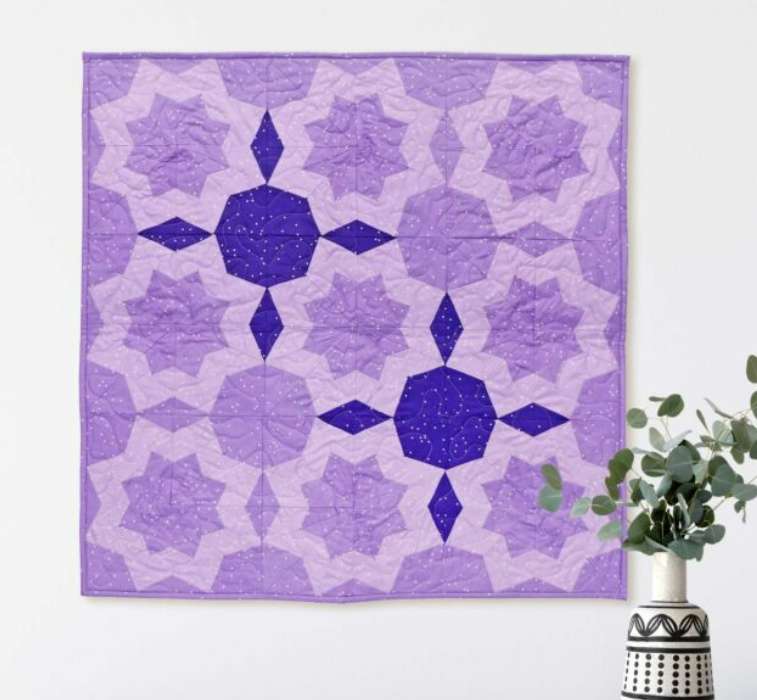
Here is a fun way to completely change up the look of the classic nine-patch quilt block.  New Quilters has this fun trick to turn them into this beautiful look.

Using 5 inch squares, this is an ideal project for a charm square pack.  To make the blocks you will need an assortment fabrics.

General quilting supplies are used and there is a fair amount of cutting needed.  No worries though, the tutorial describes the entire process in detail and contains step by step photos to assist you.

As many of you who read my articles know, scrap projects are my favorite and this beauty is perfect for scrap busting.  Make sure to take a look at the post because the author has a number of different color combinations and each one looks beautiful!

Click here to get the tutorial: Double Disappearing Nine- Patch Quilt Block

What I love most about the double disappearing nine patch quilt block is how forgiving it is. You can use coordinated fabrics for a polished, modern look, or dive straight into your scrap basket for a scrappy quilt that feels layered and full of history. It’s an ideal block for using up leftover fabric from previous projects, especially if you’re trying to stretch your stash without buying yet another bundle. We’ve all been there.

This quilt block tutorial is also perfect for confident beginners who want to level up. If you’ve mastered a basic nine patch, this technique is simply the next playful step. It teaches you about value, contrast, and layout in a very hands-on way. Move the pieces around on your design wall or dining table and you’ll see just how many layout options you actually have. No two double disappearing nine patch quilts ever look quite the same.

If you’re planning a scrap quilt, a baby quilt, or even a bold modern throw for the lounge room, this block adapts beautifully. Change the scale. Change the color story. Add sashing or keep it tight and graphic. It’s incredibly versatile and works for everything from traditional farmhouse quilts to contemporary geometric designs.

So if you’re looking for an easy quilt block tutorial that delivers maximum visual impact with minimal fuss, the double disappearing nine patch quilt block is absolutely worth adding to your quilting rotation. Pull out those fabrics, clear off the sewing table, and give it a try. I have a feeling once you make one, you’ll be cutting up another nine patch before the first one is even pressed.

[photo from New Quilters]
 

Check out this book, Scrap Fabric Quilting Book

«
»

Have you read?

How to Choose the Best Batting for Your Quilt Project (Without Guessing)

Batting is one of those quilting decisions that feels strangely high-pressure.

It’s hidden inside the quilt. No one sees it.
But choose the wrong one? And suddenly your quilt feels stiff, too puffy, too flat… or worse, washes poorly.

I used to grab whatever batting was on sale. Then I made one quilt that felt like a winter doona and another that barely had any drape at all.

That’s when I realised — batting isn’t one-size-fits-all.

If you’re a hobby quilter making a few quilts a year, here’s how to choose batting confidently without needing a textile engineering degree.

What Batting Actually Does

Batting affects:

  • Warmth

  • Loft (how puffy it looks)

  • Stitch definition

  • Drape

  • Weight

  • Durability after washing

It’s the structure of your quilt.

The top fabric gets the attention — but the batting determines how the quilt feels in real life.

The 3 Main Types of Quilt Batting

Let’s simplify this.

1. Cotton Batting

Cotton batting gives a classic, traditional look.

It:

  • Lays flatter

  • Shrinks slightly when washed (creates that lovely crinkled look)

  • Shows quilting stitches clearly

  • Breathes well

Best for:

  • Heirloom quilts

  • Wall hangings

  • Summer quilts

  • Hobby quilters who love that soft, natural drape

If you prefer a quilt that feels traditional rather than fluffy, cotton batting is usually the safe choice.

2. Polyester Batting

Polyester batting has more loft and puff.

It:

  • Resists shrinking

  • Is lightweight but warm

  • Dries quickly

  • Holds its shape well

Best for:

  • Bed quilts

  • Utility quilts

  • Quilts that will be washed often

  • Gift quilts for busy households

If you’ve ever wanted that slightly “puffy” stitch texture, polyester delivers that beautifully.

3. Cotton-Poly Blend Batting

Blended batting gives you the middle ground.

It:

  • Offers more loft than cotton

  • Shrinks less

  • Still feels soft

  • Adds durability

For hobby quilters who want flexibility without overthinking, blends are often a very practical option.

Loft: Low, Medium, or High?

Loft refers to thickness.

Low loft:

  • Flatter finish

  • Easier for domestic sewing machines

  • Ideal for detailed quilting

Medium loft:

  • Balanced

  • Good stitch definition

  • Great for everyday quilts

High loft:

  • Puffy texture

  • Dramatic quilting lines

  • Best for larger-scale quilting designs

If you quilt on a standard home machine, low to medium loft is usually easier to manage.

Scrim vs No Scrim (And Why It Matters)

Some batting includes scrim — a light stabilising layer that holds fibres together.

Scrim batting:

  • Is more stable

  • Easier for machine quilting

  • Less stretching

No scrim batting:

  • Feels softer

  • More flexible

  • Often preferred for hand quilting

If you’re primarily machine quilting, scrim can make the process smoother.

How Batting Affects Stitch Definition

If you love seeing your quilting lines clearly, batting choice matters.

Cotton:

  • Shows stitching crisply

Polyester:

  • Creates raised stitching

High loft:

  • Makes stitches pop dramatically

If you’ve ever wondered why your quilting doesn’t look like the photos you admire, batting could be the difference.

Washing & Shrinkage Considerations

Cotton batting shrinks slightly after washing, creating that soft vintage crinkle many quilters love.

Poly batting resists shrinkage and keeps a smoother appearance.

Neither is wrong — it depends on the look you prefer.

For baby quilts or gifts, many hobby quilters appreciate predictable washing results.

Common Batting Mistakes

  • Choosing high loft for detailed block quilting

  • Not checking recommended quilting distance

  • Using thick batting on a small domestic machine

  • Ignoring fibre compatibility

Always check the manufacturer’s recommended stitch spacing. Some battings require closer quilting lines to maintain structure.

What Should Hobby Quilters Start With?

If you’re unsure, start here:

For traditional quilts:
Low loft cotton batting.

For everyday bed quilts:
Medium loft cotton-poly blend.

For puffy stitch texture:
Low to medium loft polyester.

You don’t need five types on hand. Choose based on project purpose.

Where to Compare Quilt Batting Options

Batting can be surprisingly varied, and seeing fibre type, loft, and recommended stitch distance clearly listed makes decision-making much easier.

Specialty quilting retailers like Fat Quarter Shop’s batting collection allow you to compare cotton, polyester, and blended options side-by-side so you can choose based on your specific quilt rather than guessing.

The Bottom Line

Batting is not just filler.

It determines how your quilt:

  • Feels

  • Washes

  • Drapes

  • Ages

For hobby quilters, understanding just three things — fibre type, loft, and project purpose — is enough to choose confidently.

You don’t need to memorise every product line.

You just need to match the batting to the quilt’s job.

This article is part of our Ultimate Guide to Quilting Notions for Hobby Quilters, where we break down essential tools without overwhelming you.

Next in the series:
Rotary Cutters Explained: Sizes, Blades, and When to Replace Them


Categories

Christmas quilts Craft Competitions Craft News and Events Free Quilt Patterns Modern More Quilting Patterns & Projects Quilting Art Quilts Quilting Blocks Quilting Books Quilting Contest Quilting Events Quilting Fabric Quilting Gift Ideas Quilting How To & Tutorials Quilting Inspiration Quilting Products Quilting Technique Scrap Fabric Tutorials and Patterns

RSS More Articles

  • Wet Felted Handbag Tutorial Review – Gillian Gladrag
  • Learn a Flower Bobble Technique to Knit a Fun Shawl
  • Beach Crafts Kids Can Make — No Vacation Required
  • 12 Wonderful Wedding Layout Ideas
  • Free Easy Crochet Flower Blanket Pattern
  • How to Choose the Best Batting for Your Quilt Project (Without Guessing)
  • How to Rust Safety Pins and Jingle Bells for Primitive Crafts – The Safer Vinegar and Salt Method
  • DIY Burn Relief Soap – A Soothing Aloe Vera and Lavender Recipe for Sunburn, Windburn, and Irritated Skin
  • 10 Bookmark Embroidery Patterns for Quick Handmade Gifts
  • Necklace Length Guide For Handmade Jewelry Makers

Copyright © 2026 · CraftGossip | Start Here | Contact Us | Link to Us | Your Editors | Privacy and affiliate policy