• Home
  • Suggest A DIY
  • DIY Newsletter

Quilting

Patterns, patchworks and projects

  • About CraftGossip
  • Our Network
    • Bath & Body Crafts
    • Candle Making Ideas
    • Crochet Ideas
    • Cross Stitch
    • Edible Crafts
    • Felting Patterns
    • Glass Art
    • Home & Garden Ideas
    • Indie Crafts
    • Jewelry Making
    • Kids Crafts
    • Knitting Patterns
    • Lesson Plans
    • Needlework
    • Party Ideas
    • Polymer Clay
    • Quilting Ideas
    • Recycled Crafts
    • Scrapbooking
    • Sewing Patterns
    • Card Making
    • DIY Weddings
    • Not Craft Ideas
  • Giveaways
  • Roundups
  • Store
  • Search

Giveaway: Desayuno birds quilt pattern

July 28, 2016 by Scarlett Burroughs

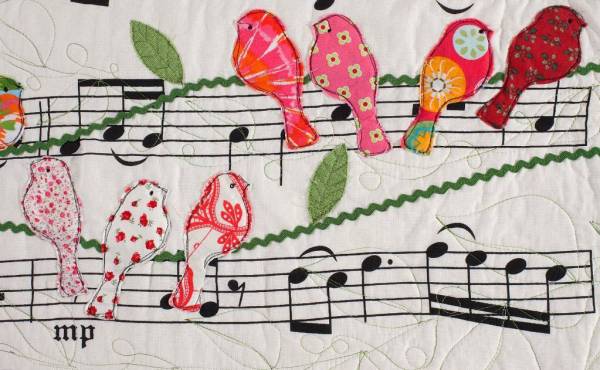
closeup_BIRDS Cecilia Koppmann_Desayuno 2012Memory quilts speak to me, but they sing to Cecilia Koppmann. In her sweet quilt, “Desayuno”, each bird represents one of her past students. Her quilt, a closeup shown here, made it to the Houston Quilt Show in 2015. At the request of admirers, she wrote up a pattern. Now, isn’t that just like a teacher?

To honor her generosity, and because I love this quilt so much, I’m going to give away a copy of her digital pattern to a Craft Gossip reader. The finished size is 56″ x 35″ (144 x 90cm), and she uses raw edge applique method throughout.

Click to see the entire quilt, then come back and leave a comment on this post to get a chance to win.

International entries welcome. Contest ends August 3, 2016. Good luck!

{Image credit: Crafsty}

Save
«
»

Comments

  1. JoAnn says

    July 29, 2016 at 12:19 am

    Beautiful and inspiring

  2. Louise Fredieu says

    July 29, 2016 at 12:52 am

    OMG! This quilt is beautiful! It is so unique. The quilter must be amazingly talented. i love birds on a wire. i love musical notes. i once cared for an eighty year old pianist in her home and she played for me daily. At first very slowly and hesitantly because she was very ill. As time went on and her health improved, so did her ability to play. I was so impressed that i bought myself a piano and took piano lessons! This quilt spoke to me even before i knew what it was about. i think the fact that each bird is representative of each of the quilter’s students is amazing. This quilt is a treasure and if i were to win i would treat it as such. Thank you for the opportunity. God’s blessings on you.

  3. Melody J says

    July 29, 2016 at 1:59 am

    The bird quilt is wonderful.

  4. Laura says

    July 29, 2016 at 3:36 am

    Thanks for your generosity,I would love a copy of this beautiful quilt, can you please add my name to the give away
    Thanks????

  5. Ruby says

    July 29, 2016 at 5:08 am

    Beautiful quilt, would make a beautiful wall quilt!

  6. kim says

    July 29, 2016 at 7:23 am

    This quilt is adorable!!

  7. Scarlett Burroughs says

    July 29, 2016 at 7:31 am

    Louise,
    I love your story, thanks so much for sharing it with all of us.

  8. Lisa Materna says

    July 29, 2016 at 7:54 am

    Love Love Love! Birds and Music. It doesn’t get any better than that.

  9. Betsy says

    July 29, 2016 at 8:45 am

    It’s adorable. I’m assuming she used musical notes fabric? As a teacher I would love to make one for my classroom

  10. Kathy Shoemaker says

    July 29, 2016 at 9:14 am

    This quilt warms my heart. What beautiful harmony! I couldn’t love it more.

  11. LESLIE JEAN EVANS says

    July 29, 2016 at 9:14 am

    Such a happy quilt! I must make one!

  12. joycandrian says

    July 29, 2016 at 9:19 am

    Love this quilt & the idea to have the students bring a piece of fabric to represent themselves.

  13. Karen says

    July 29, 2016 at 9:57 am

    Wow! I love “bird stuff” and this quilt is fantastic! It reminds me of the applique scrap quilts my grandma made.

  14. Kathy E. says

    July 29, 2016 at 10:00 am

    How fun and creative! I love that Cecilia asks her students to bring squares of fabric to make the birds. This would work for many to use scraps from their own stash. So pretty!

  15. Bonnie Preslar says

    July 29, 2016 at 11:05 am

    Oh I would love to win this pattern! The birds and the musical score….well they are wonderful together!!!

  16. Jacquie Williams says

    July 29, 2016 at 11:07 am

    Perfect quilt for my Glee Club teen granddaughter!! Fingers crossed and thanks for the chance!!

  17. spierssusan says

    July 29, 2016 at 11:21 am

    WOW! – just gorgeous! What a great homage to herself & her students. Great giveaway-thank you, Susan

  18. Deanna Bishop says

    July 29, 2016 at 11:22 am

    What a beautiful quilt.

  19. cluedeman says

    July 29, 2016 at 11:24 am

    Such a beautiful quilt!

  20. Brenda Ackerman says

    July 29, 2016 at 11:26 am

    Good Morning Scarlett! This is a spectacular quilt! I would love to win this pattern and make it for two of my daughters who are musicians. Plus a bonus is having those lovely appliqued birds that our whole family enjoys. Thank you for this great opportunity. Have a fantastic creative day!

  21. tania McClelland says

    July 29, 2016 at 11:44 am

    Really neat. Love it. Would like to give it a try.

  22. Regina says

    July 29, 2016 at 12:06 pm

    That pattern is beautiful!! My 16 year old is heavy into musical theatre and I think she would love this – if I don’t win I think I have to buy it!!

  23. Mb Petersen says

    July 29, 2016 at 12:11 pm

    Absolute perfection!??

  24. Vicki T says

    July 29, 2016 at 12:14 pm

    What a beautiful, colorful wall hanging.

  25. Michele says

    July 29, 2016 at 12:14 pm

    I would love this pattern… Our family has this “thing” about birds!!!

  26. Scarlett Burroughs says

    July 29, 2016 at 12:34 pm

    You are most welcome Brenda!

  27. Bartley Melody says

    July 29, 2016 at 12:47 pm

    I think this quilt would look great on my living room wall since my name is Melody.

  28. Chris says

    July 29, 2016 at 1:44 pm

    This is a wonderful quilt. I would love to make one.

  29. knittingdancer says

    July 29, 2016 at 1:51 pm

    I love birds and music. I would love to win a copy of this pattern.

  30. shurtzz says

    July 29, 2016 at 2:04 pm

    Whimsical, cheerful and happy, makes me smile.

  31. Joanne D. says

    July 29, 2016 at 3:37 pm

    Such a beautiful quilt! Would love to make one for my bed 🙂

  32. Martha says

    July 29, 2016 at 3:41 pm

    Being a bird-watcher (at home only); this quilt speaks to me. It is very well done and quite beautiful.

  33. Theresa says

    July 29, 2016 at 4:08 pm

    What a beautiful quilt!!! It would be a great display item at the Audobon meetings.

  34. Lee says

    July 29, 2016 at 5:32 pm

    So amazing and lovely ! I would love to make this sweet quilt!

  35. Carol says

    July 29, 2016 at 6:00 pm

    Love love love this. What great art!

  36. Rhonda Smith says

    July 29, 2016 at 6:22 pm

    Such an inspiration! It makes my heart sing! ????????????

  37. Mimi Duray says

    July 29, 2016 at 6:46 pm

    Just Beautiful! Would love to make this quilt for my family. So many musical memories could be included in this quilt!

  38. Donna Coffin says

    July 29, 2016 at 7:29 pm

    Would love to win this pattern and make it for our music teacher.

  39. Carla B says

    July 29, 2016 at 7:31 pm

    What a cute quilt!

  40. Barbara Wambach says

    July 29, 2016 at 7:38 pm

    Birds, music, foliage……what’s not to love?

  41. Baa Goldfarb says

    July 29, 2016 at 10:00 pm

    I would love to make this quilt for my mother who played & taught music for many years. Her last pupil was almost 90 yrs old my mother turned 84 on July 4 & is no longer giving music lessons as her vision is beginning to fail but I know she would cherish this quilt

  42. Karey says

    July 29, 2016 at 10:57 pm

    I have always wanted to try quilting and this is just too cute!

  43. Gill Martyn says

    July 30, 2016 at 5:49 am

    This is beautiful, it would be good if one could use a particular piece of music relevant to the recipient.

  44. janet schmell says

    July 30, 2016 at 8:12 am

    Gorgeous ! I play the bagpipes and although the notes for me are going in the wrong direction I love this quilt. I feed the many birds in my woods and enjoy their company. Would love the pattern 😉

  45. sisylyn53 says

    July 30, 2016 at 8:37 am

    I really like the quilt. My sister raises birds and will really like it for the back of her piano.
    [email protected]

  46. Kathy Anastasio says

    July 30, 2016 at 9:13 am

    Love this! My nickname is Mamabird, so this would be so great to make for my library.

  47. Rebecca H says

    July 30, 2016 at 10:27 am

    Oh your quilt is so unique. Love it, Love it….

  48. valerie waddoups says

    July 30, 2016 at 12:11 pm

    Love Love Love Love
    This is what i feel just looking at the beautiful quilt. My great grandmother used to quilt. Wish i would have been given the chance to learn the craft from her, but she went to heaven before this could happen. This beautiful quilt reminds me of a song from heaven. Simply beautiful
    Love love love love
    Hugs

  49. Suzanne Eastman says

    July 31, 2016 at 2:10 pm

    Such a happy quilt! Just beautiful!

  50. Monica says

    August 1, 2016 at 2:38 pm

    I love this quilt. I know the perfect person to give it to.

Newer Comments »

Have you read?

Mixed-Fibre Quilts: How to Combine Linen, Hemp and Cotton Lawn Without Regretting It

For years, beginner quilters have been given one very sensible piece of advice: use quilting cotton.

It is stable, predictable, easy to cut and generally willing to behave itself.

That is still excellent advice for a first quilt. However, once you have made a few quilt tops and stopped feeling personally betrayed by the quarter-inch seam allowance, it can be wonderfully freeing to look beyond standard quilting cotton.

One of the most interesting quilting trends of 2026 is the deliberately mixed-fibre quilt: linen pieced beside cotton lawn, hemp blended with quilting cotton, double gauze used as an accent and textured woven fabrics added for depth.

These quilts are not simply made from whatever fabric happened to be nearby. The most successful examples use differences in weight, weave and texture intentionally.

The result is a quilt that looks softer, feels more tactile and develops even more character with washing and use.

It can also become stretched, puckered and mildly argumentative if the fabrics are not prepared properly, so let us discuss the practical side before cutting into that beautiful piece of linen.

What Is a Mixed-Fibre Quilt?

A mixed-fibre quilt combines fabrics made from different fibres or constructed in noticeably different weights and weaves.

Possible combinations include:

  • quilting cotton and linen
  • cotton lawn and quilting cotton
  • hemp and cotton
  • linen-cotton blends and solid cotton
  • double gauze and quilting cotton
  • cotton chambray and linen
  • reclaimed shirts and new quilting fabric
  • lightweight denim and cotton
  • woven homespun fabric and cotton lawn

The fibres may shrink, stretch and fray differently. That variation is part of the appeal, but it needs to be managed.

If you are still learning fabric terminology, our quilter’s fabric dictionary explains linen blends, voile, double gauze, chambray, quilting cotton and many of the other fabrics you may encounter.

Why Quilters Are Moving Beyond Quilting Cotton

Texture Is Becoming Part of the Design

A printed pattern is not the only way to create visual interest.

Linen has a visible slub. Hemp can have a dry, earthy texture. Cotton lawn is smooth and light. Double gauze is softly crinkled.

Placing these fabrics beside one another creates contrast even when they are the same colour.

A quilt made entirely from cream fabrics can still look richly layered when the weaves reflect light differently.

Natural Fibres Suit the Handmade Aesthetic

Modern interiors are leaning towards relaxed, tactile and less perfectly matched textiles.

Linen, hemp and washed cotton soften with use, wrinkle naturally and create quilts that look comfortable rather than showroom perfect.

This does mean accepting a few wrinkles. Anyone who needs every linen surface to remain crisp may spend more time ironing the quilt than enjoying it.

Mixed-Fibre Quilts Are Excellent for Reclaimed Fabric

Old linen clothing, cotton shirts, lightweight curtains and household textiles can all become part of a quilt.

This makes mixed-fibre quilting useful for memory quilts, scrap projects and low-waste sewing.

Our guide to tiny scrap quilt ideas offers plenty of ways to use small pieces, and many of those ideas adapt beautifully to textured fabric.

The Finished Quilt Feels More Personal

A coordinated fabric collection is convenient and beautiful, but a carefully collected mixture of cloth has a different personality.

The quilt may include new yardage, an old shirt, a scrap of linen from a dressmaking project and one slightly precious piece you have been saving because cutting into it felt too serious.

Mixed-fibre quilting gives those pieces permission to live together.

Understanding the Main Fabrics

Quilting Cotton

Quilting cotton is the useful anchor of a mixed-fibre quilt.

It is tightly woven, stable and available in an enormous range of colours and prints. Use it to support softer or less predictable fabrics.

Fat Quarter Shop and Connecting Threads are helpful sources for solid quilting cotton, background yardage and coordinated bundles. A few stable cottons can calm down a collection of more adventurous fabrics.

Linen

Linen has a beautiful textured weave and becomes softer with washing.

Pure linen can fray heavily and may stretch along loosely woven edges. Linen-cotton blends are often easier for quilting because they retain the texture of linen while behaving more like cotton.

Use linen for:

  • large squares and rectangles
  • wide borders
  • simple appliqué
  • wholecloth sections
  • low-volume backgrounds
  • large-scale modern blocks

Avoid making your first linen quilt from hundreds of tiny pieces. Life is already complicated enough.

Hemp

Hemp fabric is strong, breathable and often has a slightly rustic texture.

Depending on the weave, it may feel similar to linen or canvas. Lightweight hemp and hemp-cotton blends are usually more suitable for quilt tops than heavy upholstery-weight hemp.

Use it for larger pieces, borders and strong geometric sections.

Cotton Lawn

Cotton lawn is finely woven, lightweight and smooth.

It can add softness and delicate printed detail to a quilt, but it may shift or distort during cutting and sewing.

Spray starch, careful pressing and a fine sharp needle can make it easier to handle.

Cotton lawn works particularly well in:

  • hand-quilted summer quilts
  • lightweight baby quilts
  • soft appliqué
  • large patchwork pieces
  • quilt backs
  • low-volume mixed backgrounds

Double Gauze

Double gauze is made from two lightweight layers joined at regular points.

It is wonderfully soft but can stretch, fray and distort. Use larger blocks, avoid excessive handling and consider stabilising it before cutting.

Chambray and Lightweight Denim

Chambray gives the look of denim without quite as much weight.

Lightweight denim can also be used, but pay attention to bulky seam intersections. Combine it with stronger cotton or linen rather than very delicate lawn in tiny piecing.

Prewash or Do Not Prewash?

Mixed-fibre quilting is one situation where prewashing is usually the safer choice.

Different fibres can shrink at different rates. Linen may soften and contract, cotton lawn may wrinkle and hemp may change substantially after its first wash.

Prewashing allows each fabric to complete much of that initial movement before it becomes permanently joined to the others.

Wash the fabrics using the same method you expect to use for the finished quilt.

Then:

  1. Dry them completely.
  2. Press them flat without stretching.
  3. Square the grain where possible.
  4. Test any fabric that still feels unstable.

There is one exception.

Some quilters deliberately leave all fabrics unwashed because they want the crinkled texture created by uneven shrinkage. That can be a valid design choice, but it is less predictable.

Do it because you want the effect, not because the laundry basket was full.

Test the Fabrics Before Cutting

Create a small test sandwich using scraps of every fabric you plan to combine.

Piece them together, add batting and backing, then quilt and wash the sample.

Check for:

  • excessive shrinkage
  • colour bleeding
  • seam distortion
  • fraying
  • different rates of stretching
  • stiffness
  • unexpected transparency
  • puckering around quilted lines

A twenty-centimetre sample can save an entire quilt top.

It also gives you an excuse to make a matching coaster, which is what we call turning responsible preparation into a finished project.

Match Fabric Weights Carefully

Mixed-fibre does not have to mean wildly mismatched.

The safest combination is a group of fabrics with different fibres but reasonably similar weights.

For example:

  • medium-weight linen with quilting cotton
  • linen-cotton blend with chambray
  • lightweight hemp with cotton
  • cotton lawn with voile and lightweight quilting cotton

A very heavy fabric placed beside a very fine one can pull the lighter fabric out of shape.

When you do want dramatic weight contrast, use the heavier fabric in larger isolated sections rather than alternating it through tiny blocks.

Stabilising Lightweight Fabric

Cotton lawn, voile, double gauze and loose linen may benefit from temporary or permanent stabilisation.

Options include:

Spray Starch

Starch adds temporary body and makes fine fabric easier to cut accurately.

Apply it before cutting and press rather than pushing the iron back and forth.

Lightweight Woven Interfacing

A very lightweight woven interfacing can support unstable fabric without making it feel like cardboard.

Test it first, particularly if the quilt needs to remain soft and drapey.

Foundation Piecing

Sew lightweight fabric onto a thin cotton or muslin foundation.

This is useful for improvisational blocks, strings and areas made from irregular scraps.

The foundation controls stretching and gives mixed materials a more consistent base.

Choose Forgiving Quilt Blocks

Simple blocks are usually the best showcase for mixed fibres.

Good options include:

  • large nine-patch blocks
  • oversized half-square triangles
  • log cabin blocks
  • simple strip quilts
  • checkerboard layouts
  • large crosses
  • broad courthouse steps
  • improvisational panels
  • framed rectangles
  • wholecloth sections mixed with pieced blocks

Our roundup of easy quilt layouts for beginners contains several structures that work well when the fabric texture is intended to be the main attraction.

Large pieces allow linen, hemp and lawn to drape naturally.

Tiny precision piecing can still be done, but it requires more stabilisation, more pinning and considerably more conversations with the seam ripper.

Cutting Mixed Fibres Accurately

Use a fresh rotary blade.

Loosely woven fabrics can drag under a dull blade, creating ragged or distorted edges.

A large cutting mat, non-slip ruler and sharp rotary cutter make a noticeable difference. AccuQuilt fabric cutters can also be useful for repeatedly cutting stable linen blends, cottons and lightweight woven fabrics into consistent shapes.

Before cutting:

  • press the fabric
  • identify the grain
  • apply starch if needed
  • avoid allowing fabric to hang off the table
  • cut one layer at a time when accuracy matters
  • handle bias edges gently

Do not pull an awkward linen corner into alignment and hope the seam will sort it out. The seam remembers.

Sewing Mixed-Fibre Quilt Blocks

Use a consistent quarter-inch seam allowance, but adjust your approach for each fabric.

Reduce Handling

Repeatedly lifting, folding and rearranging loose fabric can stretch the edges.

Lay out the blocks before sewing and handle them gently.

Use More Pins

Stable quilting cotton often behaves with minimal pinning. Linen and lawn may need additional help.

Pin at the beginning, end and along the seam, particularly when two fabrics have different levels of stretch.

Sew with the More Stable Fabric Underneath

The feed dogs can help move the lower layer evenly.

Placing the more stable fabric underneath may reduce shifting, although testing is always worthwhile.

Shorten the Stitch Length Slightly

A slightly shorter stitch can improve seam security in fabrics that fray.

Do not make the stitch excessively tiny, as that can weaken delicate fabric or make mistakes miserable to unpick.

Press Rather Than Stretch

Lift and lower the iron rather than pushing it aggressively across the seam.

Use a pressing cloth for delicate surfaces and check whether the fabric tolerates steam.

Finishing Raw Edges

Quilt blocks are usually protected inside the finished quilt, but heavily fraying fabrics may continue to unravel during construction.

To control fraying:

  • use a shorter stitch length
  • increase the seam allowance if the pattern permits
  • stay-stitch around completed blocks
  • use a lightweight foundation
  • handle cut pieces as little as possible
  • quilt the finished top reasonably closely

A serged edge is rarely necessary for every quilt seam and may add too much bulk.

Choosing Batting

The batting should complement the combined weight and intended use of the quilt.

Cotton Batting

Cotton provides stability and creates a soft, traditional drape.

It is a dependable choice for linen and cotton quilts.

Wool Batting

Wool is lightweight, warm and easy to hand quilt.

It can emphasise texture without making the quilt excessively heavy.

Bamboo or Bamboo Blends

Bamboo-blend batting can create a soft, fluid quilt suitable for lighter fabrics such as cotton lawn.

Polyester Batting

Polyester adds loft and dries quickly, although it may feel less natural beside linen and hemp.

Always check the recommended quilting distance. The right batting is not simply filler; it affects the drape, warmth and final texture of the quilt.

Quilting the Layers

Simple quilting often works best because mixed fibres already provide visual interest.

Try:

  • widely spaced straight lines
  • gentle wavy lines
  • large hand-quilted grids
  • echo quilting
  • chunky running stitches
  • simple crosshatching
  • quilting within individual fabric sections

Visible hand quilting is particularly beautiful across linen and hemp.

A thicker thread creates small shadows and emphasises the handmade quality of the cloth. Check our guide to quilting needles for piecing and hand quilting before forcing thick thread through a tiny needle and blaming both of them.

Avoid extremely dense quilting if the aim is a soft, relaxed bed quilt. Close quilting can flatten the textures and make the finished quilt feel stiff.

Binding a Mixed-Fibre Quilt

Stable quilting cotton is usually the easiest binding choice.

The outer edge of a mixed-fibre quilt receives plenty of wear, and a firmly woven cotton binding can support more delicate fabrics within the quilt top.

Linen binding is beautiful but may fray. Use a linen-cotton blend, cut generous strips and avoid an overly narrow finished binding.

Our guide to binding a quilt with neat corners walks through a reliable finishing method.

Three Easy Mixed-Fibre Quilt Palettes

Soft Neutral Quilt

Combine:

  • natural linen
  • cream quilting cotton
  • pale grey cotton lawn
  • oatmeal hemp blend
  • low-volume printed cotton

Use a large checkerboard or broad strip layout and finish with chunky cream hand quilting.

Reclaimed Blue Quilt

Combine:

  • chambray shirts
  • lightweight denim
  • blue linen
  • striped cotton
  • indigo quilting cotton

Use large log cabin blocks or improvisational rectangles.

Gentle Floral Quilt

Combine:

  • floral cotton lawn
  • solid linen-cotton blend
  • soft quilting cotton
  • pale double gauze
  • one darker cotton for contrast

Use oversized nine-patch blocks to keep the fine fabrics stable and visible.

Mixed-Fibre Quilting Is About Experimenting Thoughtfully

There is a difference between an intentionally mixed-fibre quilt and sewing every fabric in the scrap basket together while hoping for the best.

The intentional version considers weight, shrinkage, stretch, weave and how the finished quilt should feel.

Begin with fabrics that are reasonably compatible. Prewash them, make a sample and choose a simple design that allows the textures to shine.

Once you understand how the cloth behaves, you can become more adventurous.

That might mean combining fine lawn with sturdy hemp, adding a section of reclaimed clothing or allowing one loosely woven linen to wrinkle more than its neighbours.

Those variations are not necessarily flaws. They are part of what makes the quilt tactile, relaxed and personal.

Quilting cotton will always have a well-earned place in the sewing room. But it does not have to be the only fabric invited to the quilt.

Categories

Christmas quilts Craft Competitions Craft News and Events Free Quilt Patterns Modern More Quilting Patterns & Projects Quilting Art Quilts Quilting Blocks Quilting Books Quilting Contest Quilting Events Quilting Fabric Quilting Gift Ideas Quilting How To & Tutorials Quilting Inspiration Quilting Products Quilting Technique Scrap Fabric Tutorials and Patterns

RSS More Articles

  • Vintage Knitted Coat Pattern PDF – Pembroke Coat
  • How to Tell the Difference Between Dry Scalp, Dandruff and Product Buildup
  • 12 Handmade Card Ideas with Summer and Tropical Drinks
  • 10 Fall Leaves Scrapbook Layout Templates for Cosy Autumn Memory Keeping
  • Activities and Crafts for Johnny Appleseed Day
  • Totoro Knitting Patterns
  • Can You Boil Polymer Clay? The Truth Every Crafter Should Know
  • Easy Homemade Mayonnaise Recipe – Know Exactly What’s in Your Food
  • 10 Dollar Store Home Hacks That Look Surprisingly Expensive
  • Mixed-Fibre Quilts: How to Combine Linen, Hemp and Cotton Lawn Without Regretting It

Copyright © 2026 · CraftGossip | Start Here | Contact Us | Link to Us | Your Editors | Privacy and affiliate policy