• Home
  • Suggest A DIY
  • DIY Newsletter

Quilting

Patterns, patchworks and projects

  • About CraftGossip
  • Our Network
    • Bath & Body Crafts
    • Candle Making Ideas
    • Crochet Ideas
    • Cross Stitch
    • Edible Crafts
    • Felting Patterns
    • Glass Art
    • Home & Garden Ideas
    • Indie Crafts
    • Jewelry Making
    • Kids Crafts
    • Knitting Patterns
    • Lesson Plans
    • Needlework
    • Party Ideas
    • Polymer Clay
    • Quilting Ideas
    • Recycled Crafts
    • Scrapbooking
    • Sewing Patterns
    • Card Making
    • DIY Weddings
    • Not Craft Ideas
  • Giveaways
  • Roundups
  • Store
  • Search

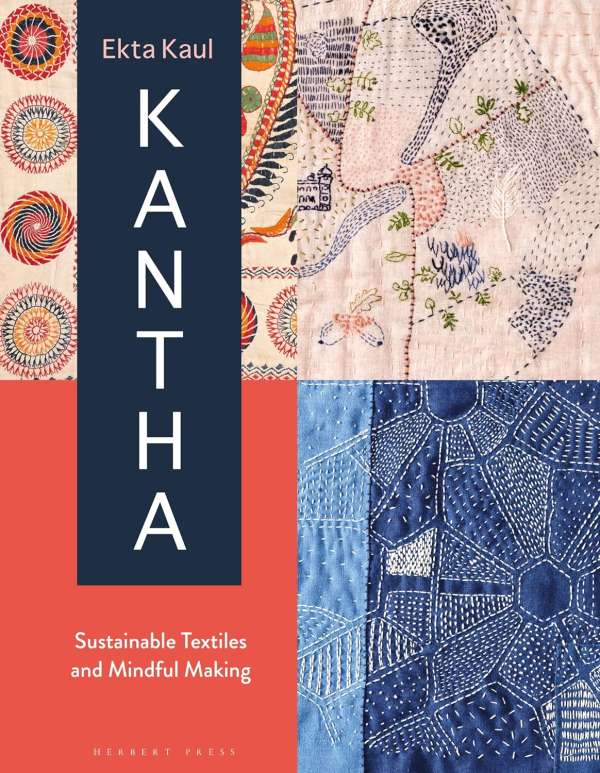
Book Review – Kantha – Sustainable textiles and Mindful Making

October 31, 2025 by Shellie Wilson

If you’re into embroidery, quilting, or just love the idea of turning old fabrics into something beautiful, Ekta Kaul’s Kantha: Sustainable Textiles and Mindful Making is a book you’ll want to check out. This book delves into the rich tradition of kantha, a Bengali embroidery technique deeply rooted in storytelling and upcycling. ?

Kaul takes readers on a journey through the history of kantha, explaining how this art form involves stitching together layers of old cloth, traditionally using threads pulled from worn-out saris and dhotis. This practice not only recycles materials but also weaves personal stories into each piece. ?

Beyond the history, the book offers a comprehensive look at the techniques involved in kantha. Kaul provides guidance on selecting fabrics and threads, and includes a dictionary of fundamental kantha stitches with clear instructions and images. This makes it accessible for both beginners and experienced textile artists looking to incorporate kantha into their work. ?

What sets this book apart is its emphasis on the mindful and sustainable aspects of kantha. Kaul reflects on how the slow, repetitive nature of the stitching process can be meditative, encouraging a more thoughtful and sustainable approach to creating textiles. ?

Kaul also brings a personal touch by sharing insights from her own journey and featuring interviews with contemporary makers and artists. This connection between traditional kantha and its modern interpretations highlights the evolving nature of the craft and its relevance today. ?

Visually, the book is a treat. It’s richly illustrated with photographs of both historical and contemporary kantha pieces, providing ample inspiration for readers. The layout is clean and inviting, making it easy to navigate through the history, techniques, and project ideas. ?

Whether you’re a seasoned textile artist or someone interested in sustainable crafts, Kantha: Sustainable Textiles and Mindful Making offers a comprehensive and inspiring look into this beautiful art form. Kaul’s passion and expertise shine through, making it a valuable addition to any maker’s library.

Sewing pattern: Scrappy sunglasses case with Kantha stitching
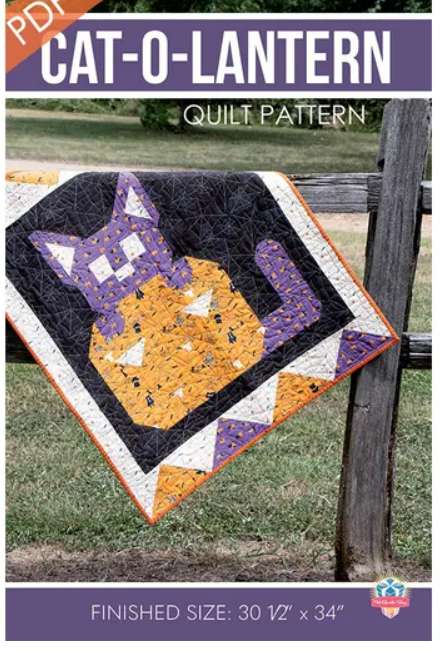
Beginner’s Guide to Kantha Stitching

«
»

Have you read?

How to Choose the Best Batting for Your Quilt Project (Without Guessing)

Batting is one of those quilting decisions that feels strangely high-pressure.

It’s hidden inside the quilt. No one sees it.
But choose the wrong one? And suddenly your quilt feels stiff, too puffy, too flat… or worse, washes poorly.

I used to grab whatever batting was on sale. Then I made one quilt that felt like a winter doona and another that barely had any drape at all.

That’s when I realised — batting isn’t one-size-fits-all.

If you’re a hobby quilter making a few quilts a year, here’s how to choose batting confidently without needing a textile engineering degree.

What Batting Actually Does

Batting affects:

  • Warmth

  • Loft (how puffy it looks)

  • Stitch definition

  • Drape

  • Weight

  • Durability after washing

It’s the structure of your quilt.

The top fabric gets the attention — but the batting determines how the quilt feels in real life.

The 3 Main Types of Quilt Batting

Let’s simplify this.

1. Cotton Batting

Cotton batting gives a classic, traditional look.

It:

  • Lays flatter

  • Shrinks slightly when washed (creates that lovely crinkled look)

  • Shows quilting stitches clearly

  • Breathes well

Best for:

  • Heirloom quilts

  • Wall hangings

  • Summer quilts

  • Hobby quilters who love that soft, natural drape

If you prefer a quilt that feels traditional rather than fluffy, cotton batting is usually the safe choice.

2. Polyester Batting

Polyester batting has more loft and puff.

It:

  • Resists shrinking

  • Is lightweight but warm

  • Dries quickly

  • Holds its shape well

Best for:

  • Bed quilts

  • Utility quilts

  • Quilts that will be washed often

  • Gift quilts for busy households

If you’ve ever wanted that slightly “puffy” stitch texture, polyester delivers that beautifully.

3. Cotton-Poly Blend Batting

Blended batting gives you the middle ground.

It:

  • Offers more loft than cotton

  • Shrinks less

  • Still feels soft

  • Adds durability

For hobby quilters who want flexibility without overthinking, blends are often a very practical option.

Loft: Low, Medium, or High?

Loft refers to thickness.

Low loft:

  • Flatter finish

  • Easier for domestic sewing machines

  • Ideal for detailed quilting

Medium loft:

  • Balanced

  • Good stitch definition

  • Great for everyday quilts

High loft:

  • Puffy texture

  • Dramatic quilting lines

  • Best for larger-scale quilting designs

If you quilt on a standard home machine, low to medium loft is usually easier to manage.

Scrim vs No Scrim (And Why It Matters)

Some batting includes scrim — a light stabilising layer that holds fibres together.

Scrim batting:

  • Is more stable

  • Easier for machine quilting

  • Less stretching

No scrim batting:

  • Feels softer

  • More flexible

  • Often preferred for hand quilting

If you’re primarily machine quilting, scrim can make the process smoother.

How Batting Affects Stitch Definition

If you love seeing your quilting lines clearly, batting choice matters.

Cotton:

  • Shows stitching crisply

Polyester:

  • Creates raised stitching

High loft:

  • Makes stitches pop dramatically

If you’ve ever wondered why your quilting doesn’t look like the photos you admire, batting could be the difference.

Washing & Shrinkage Considerations

Cotton batting shrinks slightly after washing, creating that soft vintage crinkle many quilters love.

Poly batting resists shrinkage and keeps a smoother appearance.

Neither is wrong — it depends on the look you prefer.

For baby quilts or gifts, many hobby quilters appreciate predictable washing results.

Common Batting Mistakes

  • Choosing high loft for detailed block quilting

  • Not checking recommended quilting distance

  • Using thick batting on a small domestic machine

  • Ignoring fibre compatibility

Always check the manufacturer’s recommended stitch spacing. Some battings require closer quilting lines to maintain structure.

What Should Hobby Quilters Start With?

If you’re unsure, start here:

For traditional quilts:
Low loft cotton batting.

For everyday bed quilts:
Medium loft cotton-poly blend.

For puffy stitch texture:
Low to medium loft polyester.

You don’t need five types on hand. Choose based on project purpose.

Where to Compare Quilt Batting Options

Batting can be surprisingly varied, and seeing fibre type, loft, and recommended stitch distance clearly listed makes decision-making much easier.

Specialty quilting retailers like Fat Quarter Shop’s batting collection allow you to compare cotton, polyester, and blended options side-by-side so you can choose based on your specific quilt rather than guessing.

The Bottom Line

Batting is not just filler.

It determines how your quilt:

  • Feels

  • Washes

  • Drapes

  • Ages

For hobby quilters, understanding just three things — fibre type, loft, and project purpose — is enough to choose confidently.

You don’t need to memorise every product line.

You just need to match the batting to the quilt’s job.

This article is part of our Ultimate Guide to Quilting Notions for Hobby Quilters, where we break down essential tools without overwhelming you.

Next in the series:
Rotary Cutters Explained: Sizes, Blades, and When to Replace Them


Categories

Christmas quilts Craft Competitions Craft News and Events Free Quilt Patterns Modern More Quilting Patterns & Projects Quilting Art Quilts Quilting Blocks Quilting Books Quilting Contest Quilting Events Quilting Fabric Quilting Gift Ideas Quilting How To & Tutorials Quilting Inspiration Quilting Products Quilting Technique Scrap Fabric Tutorials and Patterns

RSS More Articles

  • 10 Bookmark Embroidery Patterns for Quick Handmade Gifts
  • Necklace Length Guide For Handmade Jewelry Makers
  • Toy Story Cross Stitch Patterns
  • Vintage Bed Socks Knitting Pattern – A Cozy Little Gift Project With Old-Fashioned Charm
  • Vintage Crochet Baby Dress Pattern Review
  • 12+ Beautiful Butterfly Card Ideas
  • Cute Little Backpack Knitting Patterns
  • Easy Pen and Paper Games for Road Trips and Beyond
  • Handmade Pretend Play Food Ideas For Kids’ Kitchens, Classrooms And Crafty Grandparents
  • Air-Dry Clay Sunflower Trinket Dish Tutorial

Copyright © 2026 · CraftGossip | Start Here | Contact Us | Link to Us | Your Editors | Privacy and affiliate policy