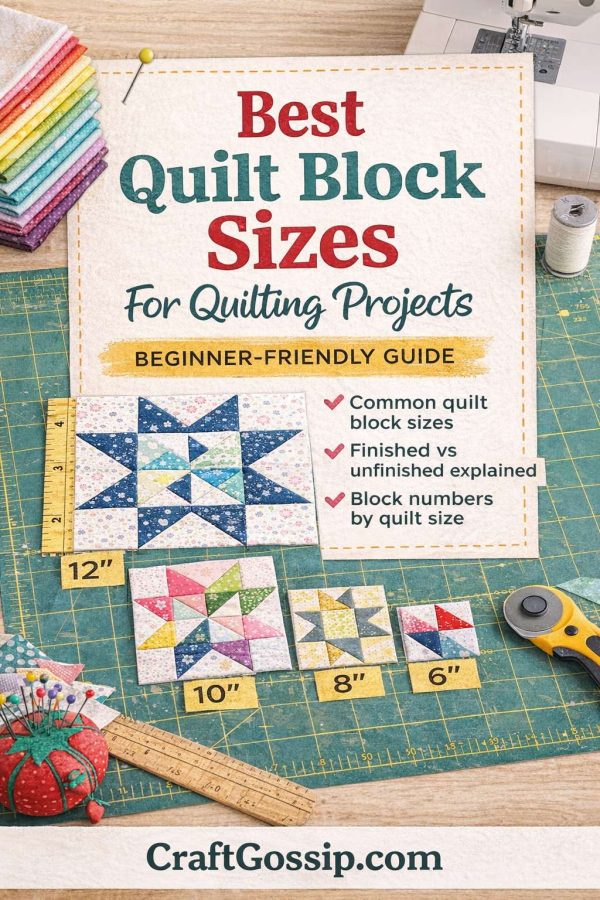
One of the most confusing parts of planning a quilt is working out which block size to use. It sounds simple enough at first, until you start trying to figure out whether a 6-inch block is too small, whether a 12-inch block will look too chunky, and why the numbers never seem to add up once seam allowances get involved.
If you’ve ever sat there with a notebook, a calculator, and a growing sense that quilting maths is some kind of prank, you are definitely not alone.
The good news is that quilt block sizing gets much easier once you understand a few basic rules. And honestly, once it clicks, it saves so much fabric-wasting frustration later on.
What Quilt Block Size Means
When quilters talk about block size, they are usually talking about the finished size. That means the size the block will be once it is sewn into the quilt top. A 12-inch finished quilt block will actually measure 12½ inches before it is sewn into place, because the extra half inch includes the seam allowance around the outside.
So in simple terms:
Finished size is the size of the block in the completed quilt.
Unfinished size is the size of the block before it is sewn to other blocks.
The difference between the two is ½ inch total.
That tiny half inch causes a surprising amount of chaos if you forget about it.
The Most Common Quilt Block Sizes
Most quilt blocks fall into a few very common sizes. You can make blocks smaller or larger of course, but these are the sizes you’ll see again and again in quilting patterns.
4-Inch Blocks
These are great for detailed patchwork, miniature quilts, and scrappy designs. They look beautiful, but they are not always the easiest choice for beginners because small pieces leave less room for error.
6-Inch Blocks
A popular size for traditional quilts, samplers, and scrap quilts. They give you a nice amount of detail without feeling too fiddly.
8-Inch Blocks
This is a lovely middle-ground size. Big enough to sew comfortably, small enough to still create interest across the quilt top.
10-Inch Blocks
A very practical size for modern quilts and fast finishes. These blocks show off fabric well and help larger quilts come together faster.
12-Inch Blocks
Probably one of the most beginner-friendly sizes of all. A 12-inch quilt block gives you enough room for piecing accuracy without making the quilt take forever to finish.
If you are new to quilting, 8-inch, 10-inch, and 12-inch finished blocks are usually the easiest starting point. They are large enough to handle comfortably and forgiving enough that tiny mistakes don’t scream at you from across the room.
How Block Size Affects the Look of a Quilt
Block size changes the entire feel of a quilt.
Smaller blocks create a busier, more detailed look. They are brilliant for scrap quilts, traditional designs, and anything with lots of repeated shapes. The trade-off is time. More blocks means more cutting, more sewing, more pressing, and more opportunities for one wonky seam to multiply itself.
Larger blocks give a quilt a cleaner, bolder look. They are faster to make, easier to line up, and often better for showing off larger-scale prints. If you are working with beautiful feature fabrics and don’t want to chop them into tiny bits, bigger blocks are usually the way to go.
This is why the best quilt block size really depends on the style of quilt you want to make.
Best Quilt Block Sizes for Beginners
If someone asked me over coffee which block size is easiest to start with, I’d say this:
Start with 10-inch or 12-inch quilt blocks.
They are beginner-friendly for a few reasons:
- Pieces are easier to cut accurately
- Seams are easier to match
- Mistakes are less noticeable
- The quilt top grows faster, which is very good for morale
There is nothing like watching a quilt actually get bigger to keep you motivated. Tiny blocks are lovely, but they can feel a bit like trying to clean out your fabric stash with a teaspoon.
Common Quilt Sizes and How Many Blocks You Need
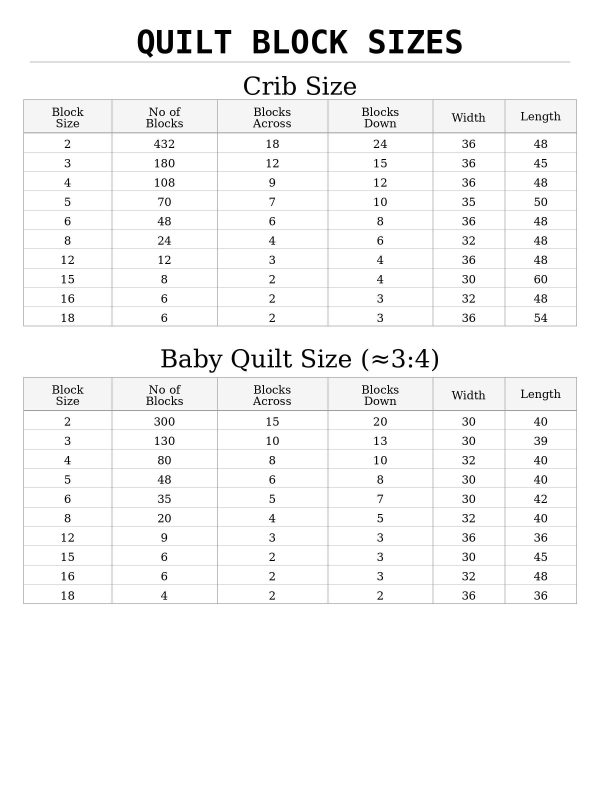
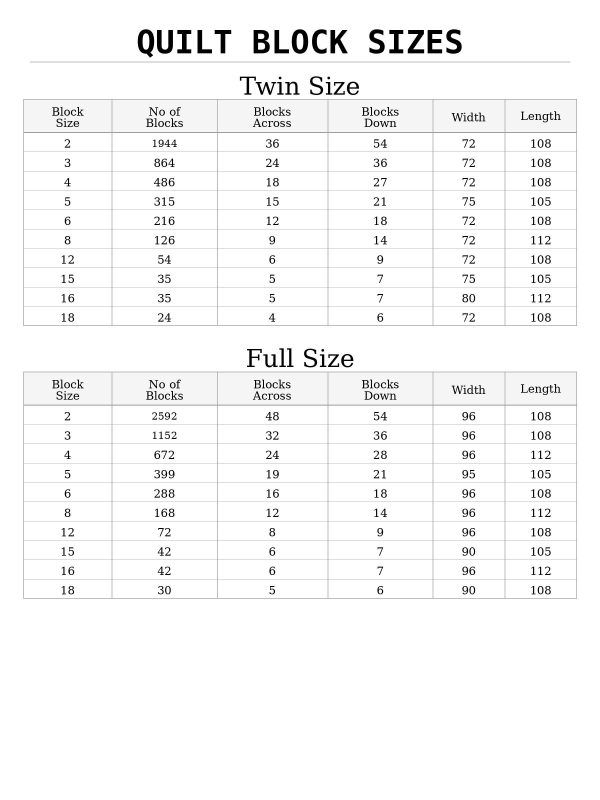
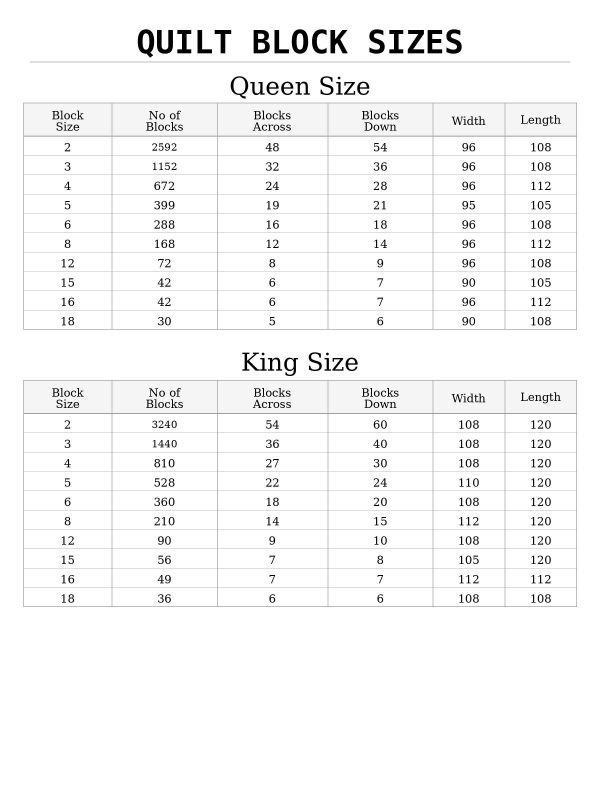
This is where block size really matters. The size of your block changes how many you need for the final quilt.
Here are some simple examples using finished block sizes and a rough quilt width and length target.
Baby Quilt Around 36 x 48 Inches
- 6-inch blocks = 6 x 8 layout = 48 blocks
- 8-inch blocks = 4 x 6 layout = 24 blocks
- 12-inch blocks = 3 x 4 layout = 12 blocks
Lap Quilt Around 48 x 60 Inches
- 6-inch blocks = 8 x 10 layout = 80 blocks
- 8-inch blocks = 6 x 7 layout = 42 blocks
- 12-inch blocks = 4 x 5 layout = 20 blocks
Twin Quilt Around 66 x 90 Inches
- 6-inch blocks = 11 x 15 layout = 165 blocks
- 10-inch blocks = 6 x 9 layout = 54 blocks
- 12-inch blocks = 5 x 7 layout = 35 blocks, plus borders or extra rows as needed
This is why larger blocks are so appealing. A quilt made with 12-inch blocks comes together much faster than one made with 6-inch blocks, even if the finished quilt size is similar.
How to Choose the Right Quilt Block Size
A few questions make the decision easier.
How Experienced Are You?
If you are still learning accurate cutting and quarter-inch seams, larger blocks will be much less frustrating.
How Much Time Do You Want to Spend?
If you want a fast weekend quilt, go bigger. If you enjoy detailed piecing and don’t mind slower progress, smaller blocks can be really satisfying.
What Fabric Are You Using?
Large prints usually look better in larger blocks. Tiny prints and solids work beautifully in smaller pieced designs.
What Style Do You Like?
Traditional quilts often use smaller repeated blocks. Modern quilts often lean towards fewer, larger blocks with bold shapes and plenty of negative space.
Is This a Sampler Quilt?
Sampler quilts often mix block designs, and 12-inch finished blocks are especially popular because many traditional block patterns adapt well to that size.
Finished vs Unfinished Quilt Block Size
This part is worth repeating because it trips up so many people.
If your pattern says a block finishes at:
- 4 inches, it should measure 4½ inches unfinished
- 6 inches, it should measure 6½ inches unfinished
- 8 inches, it should measure 8½ inches unfinished
- 10 inches, it should measure 10½ inches unfinished
- 12 inches, it should measure 12½ inches unfinished
In quilting, the standard quarter-inch seam allowance on each side accounts for that missing half inch overall. Once you understand that, a lot of quilt maths starts making much more sense.
A Quick Rule for Planning Quilt Blocks
If you want an easy way to estimate your layout:
Quilt width ÷ finished block size = number of blocks across